Look, I’ll be straight with you. Building wealth isn’t rocket science. You don’t need to be a Wall Street genius or spend hours watching stock charts. The best index funds for long-term wealth building are your ticket to financial freedom, and they’re way simpler than you think.
Here’s the thing about index funds – they’re boring. And boring is beautiful when it comes to investing. While your neighbor is bragging about his latest crypto purchase or hot stock tip, you’ll be quietly building real wealth.
Index funds just copy what the market does. No fancy stock picking. No trying to beat anyone. Just steady, reliable growth that’s made countless regular people wealthy over the years.
Why Index Funds Beat Almost Everything Else
They’re Cheap (Really Cheap)
Imagine paying someone $100 every year to manage $10,000 of your money. That’s what many expensive mutual funds charge. Now imagine paying just $3 for the same thing. That’s index funds.
These tiny fees add up huge over time. We’re talking about the difference between retiring comfortably and working until you’re 70. Seriously.
Most actively managed funds charge around 1% per year. Doesn’t sound like much, right? Wrong. Over 30 years, that 1% fee can cost you hundreds of thousands in lost returns. Index funds typically charge 0.03% to 0.20%. That’s the difference between wealth and just getting by.
They Actually Work
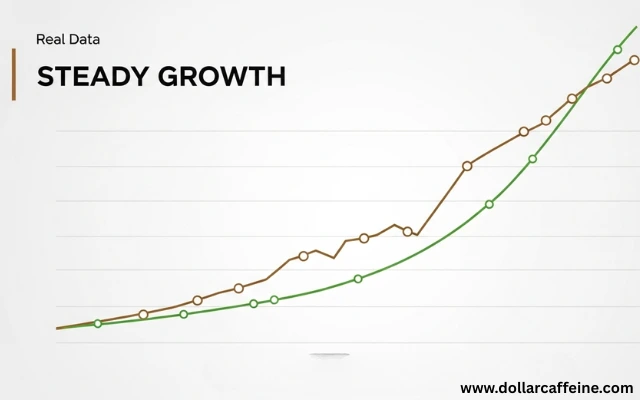
Here’s a fun fact that’ll blow your mind. About 90% of professional fund managers can’t beat a simple index fund over 15 years. These are people with fancy degrees, expensive computers, and teams of analysts. And they lose to a fund that just copies the market.
Why? Because markets are pretty efficient. When everyone’s trying to find the next big winner, prices adjust quickly. Plus, all those fees and trading costs eat into returns. Index funds skip all that drama.
The 7 Best Index Funds You Should Know About
1. Vanguard Total Stock Market Index Fund (VTSAX)
This is like buying a tiny piece of every public company in America. Big companies, small companies, medium companies – you own them all.
What it costs: 0.04% per year
What you need to start: $3,000
How it’s done lately: About 12-13% per year over the past decade
VTSAX is what I call the “set it and forget it” fund. You buy it, and you’re done. No need to pick individual stocks or worry about missing the next Apple or Amazon. If they’re in the U.S. stock market, you own them.
The only downside? That $3,000 minimum. But once you’re in, you can add any amount you want.
2. Fidelity ZERO Total Market Index Fund (FZROX)
Remember when I said index funds were cheap? This one’s FREE. Zero fees. Zip. Nada.
What it costs: $0 (seriously)
What you need to start: $0
How it’s done: Pretty much the same as VTSAX
Fidelity basically gives this away to get you as a customer. It’s their loss leader, and your gain. The catch? Your dividends get automatically reinvested instead of paid to you in cash. But that’s actually better for long-term wealth building anyway.
3. Schwab Total Stock Market Index Fund (SWTSX)
Charles Schwab’s answer to the low-cost game. Almost as cheap as the others, but you can start with just one dollar.
What it costs: 0.03% per year
What you need to start: $1
Performance: Right there with the pack
This is perfect if you’re just starting out and don’t have thousands to invest yet. You can literally start with the money you find in your couch cushions.
4. Vanguard S&P 500 Index Fund (VFIAX)
This one focuses on just the 500 biggest U.S. companies. Think Apple, Microsoft, Amazon – the heavy hitters.
What it costs: 0.04% per year
What you need to start: $3,000
Long-term performance: Has crushed it for decades
Warren Buffett swears by S&P 500 funds. He even bet a million dollars that one would beat hedge funds over 10 years. Guess what? He won.
The S&P 500 has made money over every 20-year period in history. Every single one. That’s the kind of track record you want for long-term wealth building.
5. Fidelity Total International Index Fund (FTIHX)
Don’t put all your eggs in the American basket. This fund gets you into companies all over the world.
What it costs: 0.06% per year
What you need to start: $1
Recent returns: Slower than U.S. stocks lately, but that changes
International stocks go through cycles. Sometimes they beat U.S. stocks, sometimes they don’t. But having some international exposure helps smooth out the bumps when America has a bad year.
6. Vanguard Total Bond Market Index Fund (VBTLX)
Bonds are the boring cousin of stocks. They don’t grow as fast, but they don’t crash as hard either.
What it costs: 0.05% per year
What you need to start: $3,000
What they do: Provide stability and income
As you get older, you want more stability in your portfolio. Bonds give you that. A simple rule: hold your age in bonds. So if you’re 30, maybe 30% bonds. If you’re 50, maybe 50% bonds.
7. Vanguard Target Retirement 2050 Fund (VFIFX)
This is investing on autopilot. The fund automatically adjusts from aggressive to conservative as you get closer to retirement.
What it costs: 0.15% per year
What you need to start: $1,000
What it does: All the work for you
When you’re young, it’s mostly stocks. As you age, it adds more bonds. No thinking required. It’s like having a financial advisor who never sleeps and works for almost nothing.
How to Actually Build Wealth With These Funds
Start Simple – The Three-Fund Portfolio
You want to know a secret? Some of the wealthiest people I know use just three funds:
- 70% U.S. total market (like VTSAX)
- 20% international (like FTIHX)
- 10% bonds (like VBTLX)
That’s it. Three funds. Global diversification. Low costs. It beats most fancy portfolios with 20+ funds.
Invest Every Month, No Matter What
Here’s where most people mess up. They wait for the “right time” to invest. News flash: there’s never a perfect time.
Set up automatic investments. Every month, no matter what the market’s doing. When stocks are expensive, you buy fewer shares. When they’re cheap, you buy more. Over time, this works in your favor.
I know people who’ve become millionaires just by investing $500 every month in index funds. No special knowledge. No hot tips. Just consistency.
People Also Ask
How much money do I need to start investing in index funds?
You can start with as little as $1 with some funds like FZROX or SWTSX. But honestly, even if you can only invest $25 or $50 per month, start there. The key is starting, not the amount.
Are index funds actually safe for building wealth?
They’re as safe as the stock market gets. You own thousands of companies, so if a few go bankrupt, it barely affects you. Yes, the value goes up and down, but over long periods, they’ve always gone up. Always.
What if I invest right before a market crash?
This keeps people awake at night, but it shouldn’t. If you’re investing for 20+ years, market crashes are just blips. The 2008 financial crisis? Investors who stayed invested got all their money back and then some. Those who panicked and sold? They locked in their losses.
Should I pick one fund or several?
Start with one if that’s easier. Something like VTSAX or FZROX gives you everything you need. As you learn more and have more money, you can add international and bonds. But one good total market fund beats analysis paralysis.
What the Experts Say
Morningstar, the investment research company, ranks most of these funds in their top categories year after year. Source: Morningstar Direct
The Investment Company Institute reports that index funds now hold over $7 trillion. That’s a lot of smart money following this strategy. Source: ICI Factbook
SPIVA, which tracks how active funds do against index funds, found that 88% of professional managers couldn’t beat the S&P 500 over 15 years. That’s not a typo. Source: SPIVA Scorecard
Even Vanguard’s own research shows that simple index portfolios beat complex strategies most of the time. Less is more in investing. Source: Vanguard Advisor’s Alpha
Mistakes That’ll Cost You Big
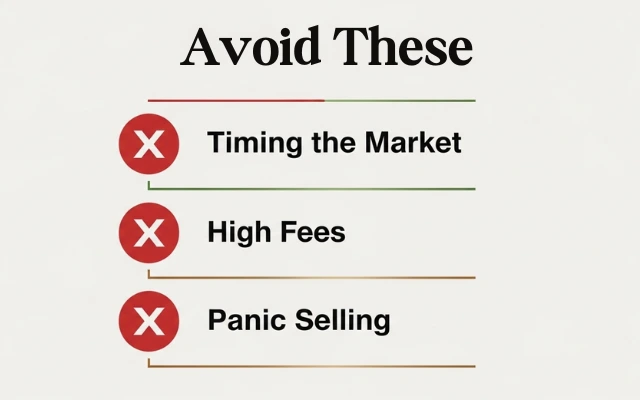
Chasing Last Year’s Winner
Whatever fund was hot last year will probably be cold this year. That’s just how markets work. Stick with broad, diversified index funds instead of jumping around.
Trying to Time the Market
I’ve never met anyone who consistently bought low and sold high. Even the pros can’t do it. Your job is to buy regularly and hold for decades.
Getting Scared During Crashes
This is the big one. Markets crash every few years. It’s normal. It’s healthy. It’s your opportunity to buy more shares at lower prices. The people who get rich are the ones who keep buying when everyone else is selling.
Paying Too Much in Fees
A 1% fee might not sound like much, but it’s huge over time. Stick with low-cost index funds. Your future self will thank you.
Your Next Steps
Here’s what I’d do if I were starting over today:
- Open an account with Fidelity, Vanguard, or Schwab
- Start with one total market index fund
- Set up automatic monthly investments
- Don’t check your balance every day (or even every month)
- Increase your contributions when you get raises
That’s it. No fancy strategies. No complicated rebalancing schedules. Just consistent investing in low-cost index funds.
The hardest part isn’t picking the right funds. It’s having the discipline to keep investing when markets get scary. But if you can do that, you’ll build serious wealth over time.
Remember, we’re not trying to get rich quick here. We’re trying to get rich for sure. And index funds are the closest thing to a sure bet you’ll find in investing.
Conclusion :
The best index funds for long-term wealth building aren’t glamorous. They won’t make you rich overnight. They definitely won’t give you exciting stories to tell at parties.
But they will make you wealthy if you give them time. They’ll let you sleep well at night. And they’ll beat most of the fancy alternatives while costing you almost nothing.
Stop overthinking this. Pick one of these funds, start investing regularly, and let compound growth do its magic. Your 65-year-old self is going to love you for it.
Read more blogs of finance on DollarCaffeine ,